2026-02-25
•

Water is the cornerstone of life, yet human activity has increasingly strained this finite resource. Overusing this limited supply has profound consequences for ecosystems, agriculture, and climate change. Climate change and water overuse are linked, one exacerbating the other.
Groundwater constitutes 30% of Earth's freshwater. However, it is being extracted extensively for household and agricultural purposes. Groundwater takes decades or centuries to replenish, and the sinking ground due to aquifer reduction can cause the ground structure to change. This will make it difficult to store water in the future. As water tables recede more energy is needed to pump the water from the ground, causing more burning of fossil fuels or more production of solar panels, etc., leading to a cycle of resource-intensive methods leading to climate change.
Overuse dries riverbeds and wetlands, leading to ecological imbalance. Aquatic habitats are important in maintaining the climate locally and on a larger scale. Dried water bodies further increase the chances of drought. As the aquatic habitats are destroyed, the food chain is affected, and food production is affected with reduced irrigation capabilities.
Over-irrigation leaves behind salts, reducing soil fertility. Mismanaged water use strips soil of nutrients, reducing long-term agricultural productivity. In arid regions, overuse accelerates land degradation, turning fertile areas into deserts. In recent years, human migration due to lack of water for agriculture has increased in all parts of the world.
Water overuse exacerbates the effects of climate change and vice versa, creating a vicious cycle.
Technology plays a crucial role in addressing water overuse. Smart irrigation systems, water-efficient appliances, water recycling technologies, and desalination plants can help to reduce water demand and improve water availability. Flood irrigation and water-intensive crops in arid regions should be addressed. Reducing energy use saves water, and smart and energy-efficient appliances and methods need to be adopted in industry and households. Governments and policymakers can implement policies such as water pricing, water usage measurement, and promotion of sustainable agriculture and education campaigns. Examples of successful water conservation initiatives include drip irrigation in agriculture, water recycling in industries, leak detection and repair programs in cities, and public education campaigns promoting water conservation.
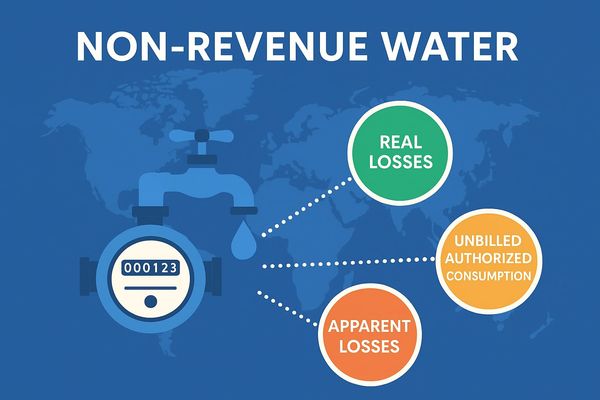
Water pricing can incentivize water conservation by making consumers and businesses more aware of the true cost of water. Tiered pricing systems, where the price of water increases with usage, can discourage excessive consumption. Accurate measurement and leak detection at the end-user stage are crucial to the effective implementation of these policies.
2025-05-22
2025-02-23


