2026-03-16
•

Leak detection is critical in water supply systems, buildings, and industrial infrastructure. With increasing water scarcity, identifying leaks early using smart water monitoring systems and consumption pattern analysis has become essential for reducing water loss and improving efficiency.
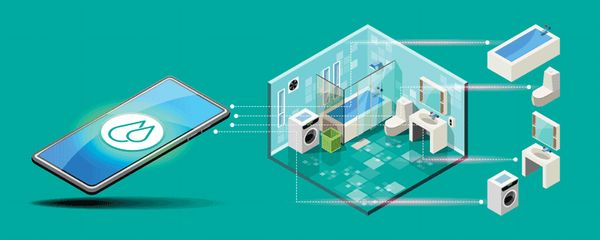
Modern solutions like smart water meters and IoT-enabled systems allow real-time tracking of water usage, helping utilities and property managers detect leaks before they escalate. These technologies are a key part of advanced digital water management systems advanced digital water management systems.
Consumption patterns refer to the normal water usage behavior in a system. Analysing these patterns helps determine what constitutes normal usage and what triggers an anomaly. This approach is widely used in smart water management systems to improve operational efficiency.
By understanding usage trends, utilities and building managers can:
Anomaly detection techniques identify deviations from expected consumption patterns. These deviations often signal potential leaks or inefficiencies, contributing to issues like Non-Revenue Water (NRW) Non-Revenue Water (NRW),where water is lost before reaching the end user.
Common approaches include:
Examines consumption over time to detect unusual spikes or drops in water usage.
Identifies sudden shifts in consumption patterns, helping determine when a leak may have started.
These models can also be used for forecasting and improving system efficiency in large-scale water networks such as District Metered Areas (DMA).
Periodic manual meter readings can help identify sudden changes, but this method is time-consuming and not scalable for modern infrastructure.
Smart water meters continuously monitor consumption and provide real-time insights. Solutions like Aegir smart water meters Aegir smart water meters enable:
This plays a crucial role in improving billing accuracy and reducing water wastage.
Advanced analytics processes data from multiple sources to generate actionable insights:
The deployment of IoT devices enhances detection capabilities and supports smarter infrastructure.
These technologies are part of modern water-efficient systems, helping reduce both water and energy consumption.
Leak detection using consumption patterns is a powerful approach to reducing water loss and improving efficiency. By combining smart water meters, IoT devices, and data analytics, organizations can proactively identify leaks, minimize losses, and enhance sustainability.
As cities and industries move towards smarter infrastructure, integrating these technologies will be essential for efficient and sustainable water management.
2024-03-25

2024-02-15


